Sliding windows are one of the most common window styles in Sydney homes, and for good reason. They are simple to use, they let in plenty of fresh air, and nothing swings into the room or out over a path. If you are comparing aluminium sliding windows in Sydney, this guide covers how they work, where they suit best, what to decide about screens and glass, and when replacing old sliding windows makes sense.
How a sliding window works
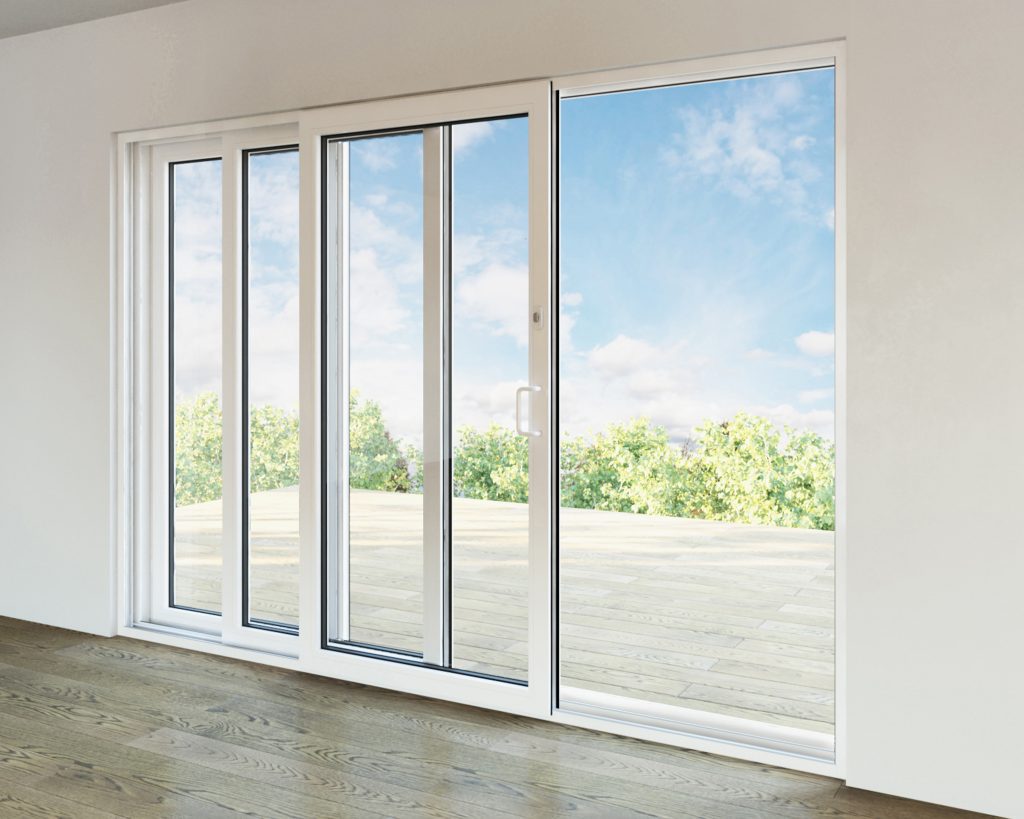
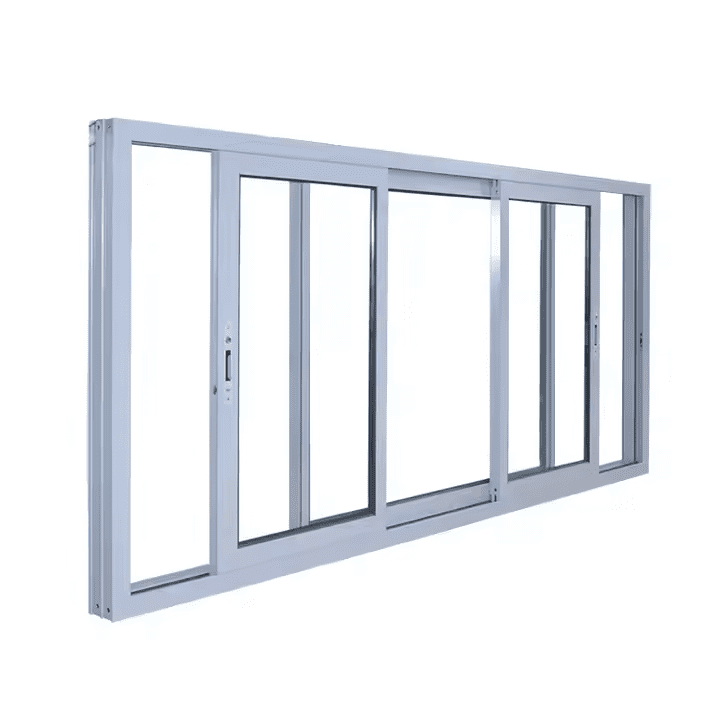
A sliding window has at least one sash that glides sideways along a track inside the frame. Most have one fixed pane and one sliding pane, while wider openings can have two sliding sashes or a fixed centre pane with sliders either side. The sash stays within the frame the whole time, so an open sliding window takes up no space inside or outside the house.
That is the main difference from an awning window, which is hinged at the top and pushes outwards from the bottom. An awning window can be left open in light rain, but it needs clear space outside. A sliding window suits spots where something outside, such as a pergola post, a side path or a clothesline, would get in the way of a sash swinging out.
Where sliding windows work best
Sliding windows suit most rooms, but they are especially handy in a few places:
- Above kitchen and laundry benches. You only need to push the sash sideways, which is easier than reaching over a bench to wind an awning window out.
- Next to walkways, patios and alfresco areas. Because nothing projects outwards, nobody walks into an open sash.
- Bedrooms and living areas. A wide sliding window gives good cross-ventilation on warm Western Sydney evenings, especially with a screen fitted.
- Wide openings. Sliding windows can be made in long, low formats that would be awkward as a single hinged sash.
Our guide to choosing window styles for each room compares sliding, awning, bifold and fixed windows side by side if you are planning a whole house.
What to look for in an aluminium sliding window
Most aluminium sliding windows look alike from the street, so the differences are in the details. These are the things worth asking about when you compare quotes:
- Rollers. Heavy-duty double rollers carry the weight of the sash more evenly than single rollers, which helps the window keep sliding smoothly, especially with heavier double-glazed panes.
- Frame strength. Hollow mullions and transoms (the vertical and horizontal bars between panes) add stiffness to larger windows.
- Frame width. Our sliding windows come in 48mm, 75mm and 100mm frame widths. Deeper frames suit larger openings and thicker glass, and you may want to match the depth of your existing windows on a renovation.
- Size. Our sliding windows can be made up to 3000mm wide and up to 1550mm high, or taller when combined with a fixed lowlight underneath.
- Handles. Easy-grip handles make a big difference for older family members or anyone who finds small catches fiddly.
Every window we make is made to measure in our own factory at Glendenning, so the frame is built for your opening rather than adapted from a standard size.
Sliding windows with screens
A sliding window is easy to screen. The screen sits in the frame over the opening sash, so you can slide the window open and shut without touching it. That makes sliding windows with screens a practical choice for bedrooms and kitchens where you want air in and insects out.
You can choose a matching fly screen with fibreglass mesh, or a security screen with stainless steel mesh if you want the window to stay secure while it is open. Both are powder coated to match the window frame.
If you plan to leave a window open overnight, decide on the screen at the same time as the window. Ordering both together means the screen frame, colour and fixings match from day one.
Glass and double glazing
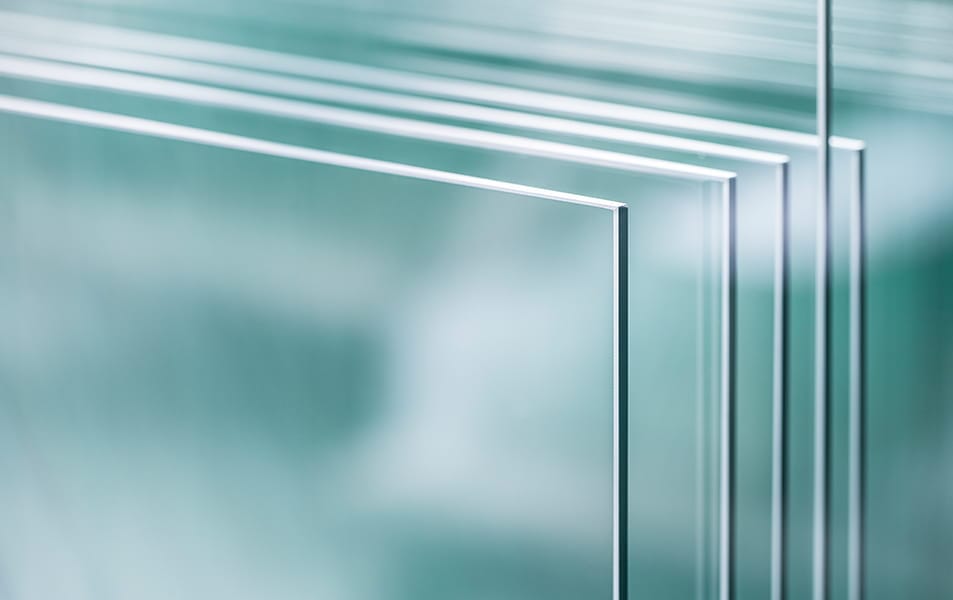
Our sliding windows can be single glazed up to 6.38mm or double glazed up to 22mm, with laminated, toughened, frosted or Low-E glass. A few points to weigh up:
- Double glazing traps a layer of air or gas between two panes. It helps keep rooms more comfortable in summer and winter and cuts outside noise, which is worth considering near busy roads or under flight paths.
- Low-E glass has a thin coating that reduces the heat passing through the glass, useful on west-facing windows that cop the afternoon sun.
- Frosted glass gives privacy in bathrooms, laundries and windows that face a neighbour.
- Laminated and toughened glass are safety glass types. Which one is needed in a given spot depends on where the window is, so we confirm this when we measure.
The Australian Government’s Your Home guide to glazing explains how glass choice and window orientation affect comfort and energy use.
Child safety on upstairs windows
Sliding windows open wide, so think about child safety on upper floors. NSW Planning explains that a window is treated as high risk when it can be opened, is less than 1.7m above the floor inside, and the floor is 2m or more above the ground outside. Safety devices on these windows must stop the opening from being wider than 125mm, resist a set amount of force and have a child-resistant release.
According to NSW Planning’s window safety page, these devices are currently required in strata apartments and in bedrooms of homes built since 1 May 2013, and a proposal to extend the requirement to most homes is still under consideration. Even where it is not required, it is worth discussing restrictors or a security screen for upstairs bedroom windows when you order.
Replacing old sliding windows
Many older Western Sydney homes have original aluminium sliding windows that have started to stick, rattle or let in draughts. Common signs it is time to replace them include sashes that jump off the track, worn rollers and seals, broken catches, and single glazing that makes rooms hot in summer and cold in winter.
We measure your existing openings and make new windows to fit, so in most cases the new window goes into the same opening. It is a good time to upgrade the glass, add screens or change the frame colour to anything in the Dulux powder-coat range. We supply and install every window ourselves across Western Sydney, including Blacktown, Penrith, Parramatta, Mount Druitt, Castle Hill and Rouse Hill.
Sydney Screens & Windows has been making windows, doors and screens since 2007. You are welcome to visit the factory at 1/173 Power St, Glendenning, Monday to Friday 8am to 5pm or Saturday 8am to 2pm, to see frames, glass and colour samples in person.
Sliding windows FAQ
Are sliding windows good for bedrooms?
Yes. They are easy to open, give good airflow and nothing swings into the room. Add a fly screen or security screen so the window can stay open at night.
Can sliding windows be double glazed?
Yes. Our aluminium sliding windows can be double glazed up to 22mm, or single glazed up to 6.38mm.
Can sliding windows have fly screens?
Yes. A matching fly screen or security screen fits over the opening sash, with fibreglass or stainless steel mesh, powder coated to match the frame.
Sliding or awning windows: which is better?
It depends on the spot. Sliding windows suit walkways and wide openings, while awning windows can be left open in light rain and suit bathrooms and high positions.
Get sliding windows made for your Sydney home
Request a free measure and quote or call us on 1800 793 946.