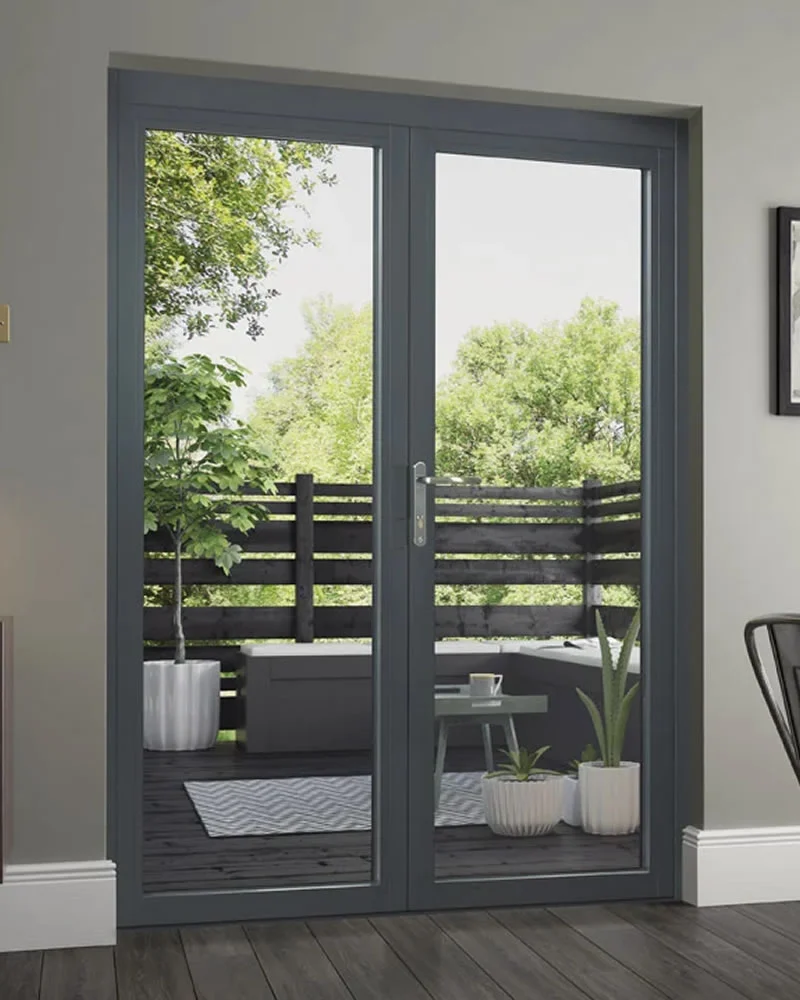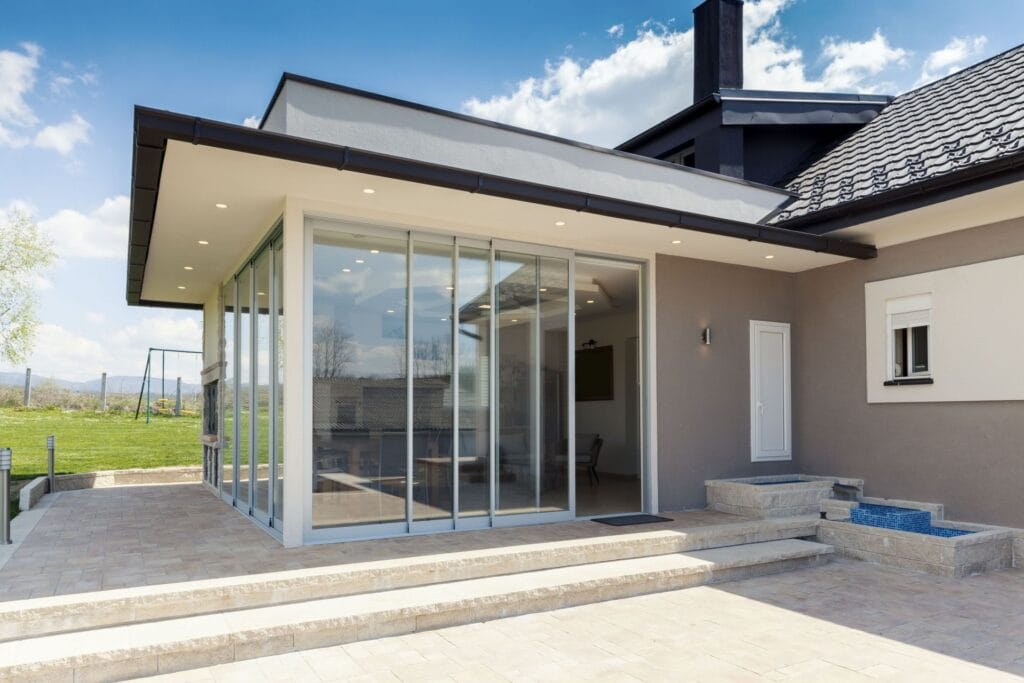
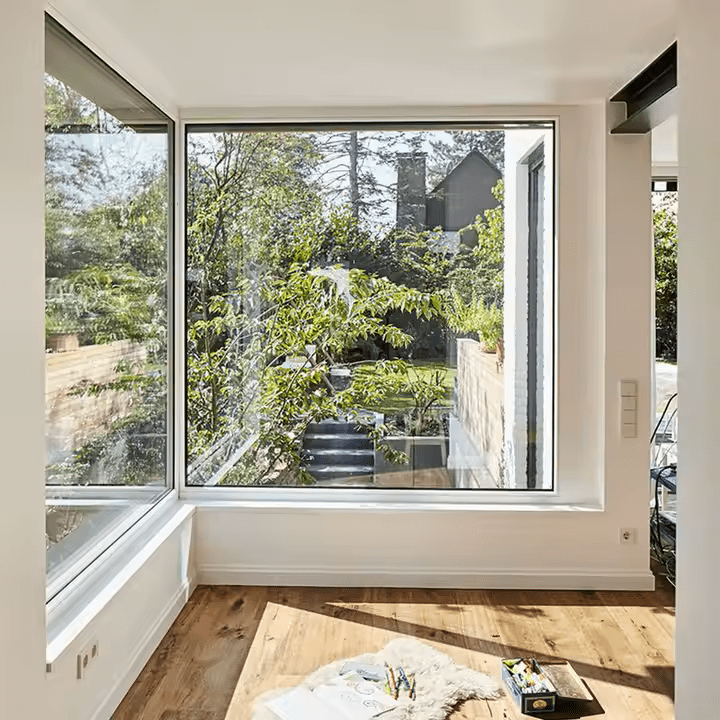
Not every window needs to open. In a stairwell, above a kitchen bench, beside a front door or across a wall that faces a view, an opening sash often adds frame, hardware and cost without adding much you will use. That is where fixed windows come in. If you are looking at aluminium fixed windows in Sydney, this guide explains what they are, where they work best, how to pair them with opening windows, and what to think about with glass before you book a measure.
What a fixed window is
A fixed window is a glazed panel set into a frame that does not open. Some people call it a fixed glass window, a fixed pane or a picture window. Because there is no sash to slide, wind out or fold, the frame can be slimmer and the glass can take up more of the opening. You get more light and a clearer view for the same size hole in the wall.
With no moving parts, a fixed window also seals tightly against draughts and outside noise. There are no rollers, hinges or winders to wear out and no tracks to keep clean, so there is very little to maintain beyond cleaning the glass.
Where fixed windows work best
Fixed windows suit spots where you want light or a view but do not need airflow, or where you can get airflow from another window nearby. Common places include:
- Stairwells and landings. These are often the darkest part of a two-storey home, and a fixed window brings in daylight where an opening window would be hard to reach.
- Living rooms with a view. A large fixed pane frames a garden, bushland or a district view without the frame lines of a sliding window.
- Highlight windows. A narrow fixed window high on a wall lets light in while keeping privacy from the street or the neighbours.
- Beside doors. A fixed panel next to a front or back door brightens a hallway and lets you see who is at the door.
- Feature walls. Several fixed panes joined together can turn a plain wall into a glazed feature.
Fixed windows are not the right choice everywhere. Bedrooms, bathrooms, laundries and kitchens usually need at least one opening window for fresh air and to let steam and cooking smells out. Our guide to choosing the right window style for each room goes through each space in turn.
Combining fixed and opening windows
You do not have to choose between light and ventilation. Fixed panes are often combined with opening sashes in the same window, so you get a large area of glass plus a section that opens for air. Two combinations are especially common:
- Fixed over awning. A large fixed pane on top with awning windows below. Awning sashes are hinged at the top and wind out from the bottom, so they can stay open in light rain.
- Fixed beside sliding. A fixed centre panel with a sliding sash on one or both sides. Sliding windows open without projecting outside, which helps next to a path, a balcony or an alfresco area.
Our fixed windows can be made as multiple bays joined with standard mullions, so a wide opening can be split into several panes, some fixed and some opening. When you plan the layout, think about where you will actually reach to open a window, and put the opening sashes there.
Before you decide which panes should open, stand in the room on a warm afternoon and notice where the breeze comes from. Opening sashes on that side do the most work, and the rest of the wall can be fixed glass.
Frames and glass
Our aluminium fixed windows come in 48mm and 75mm frame widths, with hollow mullion and stile sections and extra seals for weather performance. They can be single glazed up to 6.38mm or double glazed up to 22mm. Glass options are laminated, toughened, frosted and Low-E.
- Clear laminated or toughened glass for most view and feature windows.
- Frosted glass for a fixed pane beside a front door or in a bathroom, where you want light without being seen.
- Low-E glass for large panes that face west or north and catch strong sun.
- Double glazing for rooms facing a busy road or where you want better insulation through a big area of glass.
Large panes of glass close to the floor are covered by building rules. The National Construction Code’s housing provisions on glazing and human impact set requirements for glass in areas where people could walk into it, such as doors, side panels and low glazing, and generally call for Grade A safety glazing such as toughened or laminated glass in those spots. We confirm the right glass for each pane when we measure.
If your project is a new home or an alteration that needs a BASIX certificate, the certificate will list details for each window, including its size, orientation, frame and glass type. The NSW Planning Portal explains what BASIX needs to know about windows and glazed doors. It is worth having your BASIX requirements on hand before you order, so the glass matches what has been approved.
Colours and screens
Frames are powder coated in the Dulux powder-coat range, so fixed windows can match the rest of your windows and doors. Popular choices include Monument, Black, Surfmist and Woodland Grey. On-screen colours are only a guide, so it helps to see real powder-coat samples at our factory before you decide.
A fixed pane does not need a fly screen, because it never opens. Any opening sashes in the same window do, and we can add matching fly screens or security screens in stainless steel or fibreglass mesh to those sections.
Before you book a measure
- Note which windows you want fixed and which should open, even roughly.
- Check whether you are replacing existing windows or creating a new opening, which may need a builder first.
- Think about glass: clear or frosted, single or double glazed, and whether any panes sit low to the floor.
- Have your BASIX certificate ready if your project has one.
Every fixed window we make is made to measure in our Glendenning factory, and we supply and install it ourselves. We have been making windows, doors and screens since 2007, and you can visit the factory at 1/173 Power St, Glendenning, Monday to Friday 8am to 5pm and Saturday 8am to 2pm to see frames, glass and colours in person.
Fixed windows FAQ
Can fixed windows be combined with opening windows?
Yes. Fixed panes are often combined with awning or sliding sashes, so you get plenty of light and still have a section that opens for fresh air.
Are fixed windows more energy efficient?
With no opening sash, they seal tightly against draughts. For better insulation, you can choose double glazing up to 22mm or Low-E glass.
Do fixed windows need a fly screen?
No. A fixed pane never opens, so insects cannot get through it. Only the opening sashes in a combined window need a screen.
Can you make large or unusual fixed windows?
Tell us what you have in mind. Fixed windows can be joined in multiple bays with mullions, and we confirm the right size, glass and configuration for your opening when we measure.
Get fixed windows made for your home
Request a measure and quote or call us on 1800 793 946.